

Get Your Free Estimate
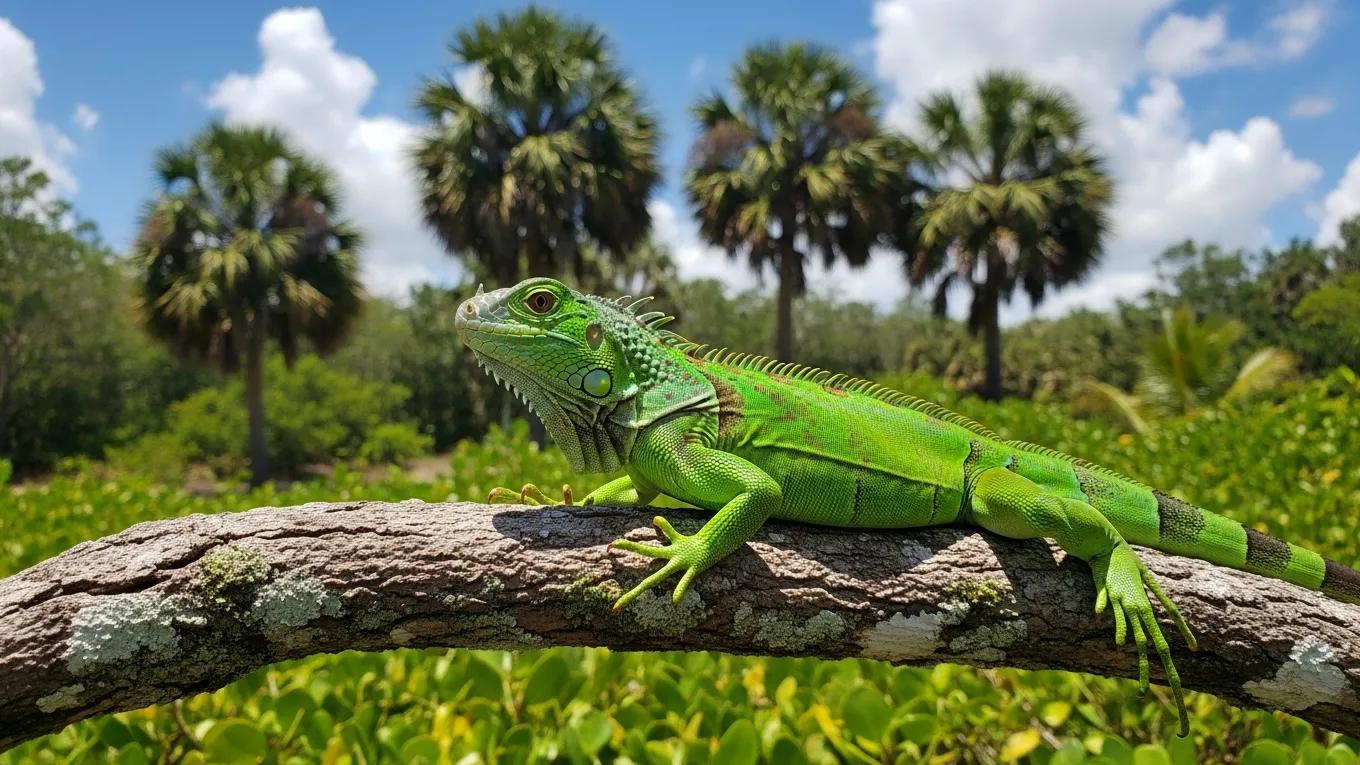
Florida Iguanas: Comprehensive Biology, Risks, Invasive Status, and Effective Removal Methods
By Pierce Kennamer, IggyTrap
Florida iguanas, particularly the Green Iguana, have become a significant presence in the state's ecosystems, raising concerns about their impact on local wildlife and human activities. This article delves into the biology of Florida iguanas, the risks they pose, their invasive status, and effective removal methods. Readers will learn about the unique characteristics of these reptiles, the dangers they present to properties and health, and the legal implications surrounding their management. By understanding these aspects, property owners can make informed decisions about iguana control and removal.
The growing iguana population in Florida has led to various challenges, including property damage and ecological disruption. This guide will explore the biological traits and behaviors of iguanas, the associated risks they pose, their classification as an invasive species, and the best practices for their removal. Additionally, we will discuss professional services and preventive measures that can help mitigate the impact of iguanas on residential and commercial properties.
Biology
Florida iguanas, primarily the Green Iguana, are large reptiles that thrive in the warm climate of the state. Originating from Central and South America, these iguanas have adapted well to Florida's environment, leading to their rapid population growth. They are herbivorous, primarily feeding on leaves, flowers, and fruits, which can significantly impact local vegetation. Their reproductive rates are high, with females capable of laying up to 70 eggs in a single clutch, contributing to their increasing numbers.
Understanding the biology of iguanas is crucial for effective management. Their adaptability allows them to thrive in various habitats, including urban areas, where they often find ample food sources. This adaptability, combined with their rapid reproduction, makes controlling their population a challenging task for homeowners and wildlife managers alike.
Associated Risks
Iguanas pose several risks to both property and public health. Their burrowing behavior can lead to significant infrastructure damage, particularly to sidewalks, foundations, and seawalls. Additionally, their droppings can contaminate water sources and pose health risks to humans and pets. The ecological impact of iguanas is also concerning, as they compete with native species for food and habitat, potentially leading to declines in local wildlife populations.
The risks associated with iguanas extend beyond physical damage. They can also pose health hazards, as they are known carriers of salmonella, which can be transmitted to humans. Understanding these risks is essential for property owners to take appropriate measures to protect their homes and families from potential harm. How Do Iguanas Cause Damage to Residential and Commercial Properties?
Iguanas can cause extensive damage to properties in several ways: 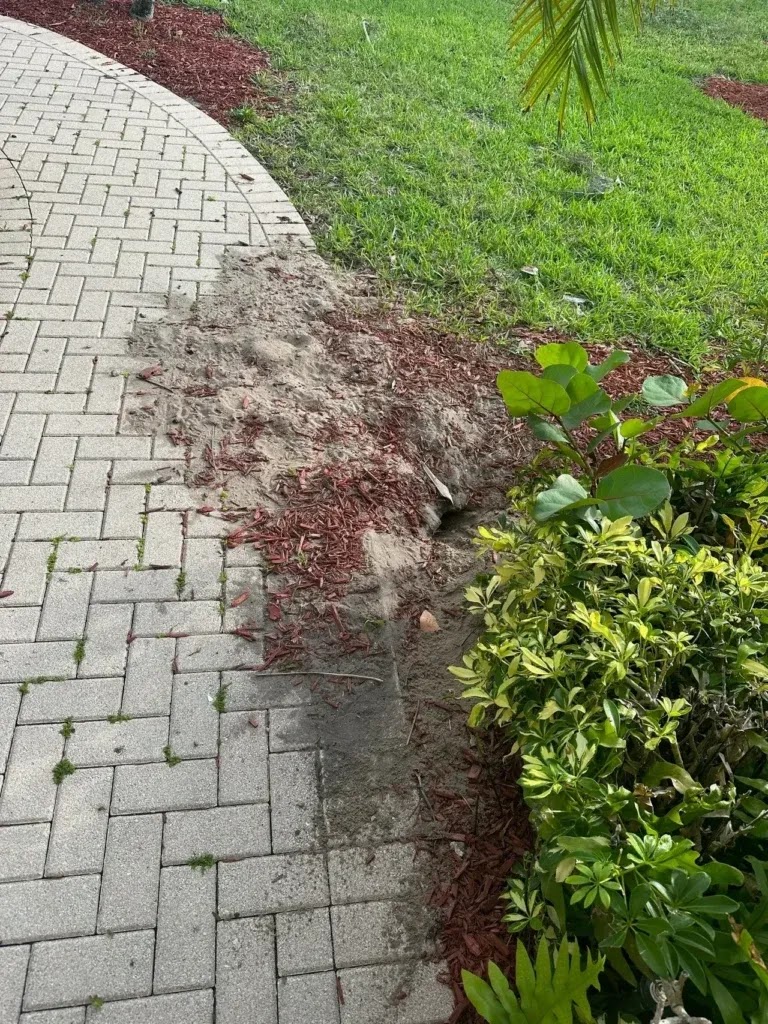
- Vegetation Damage: Iguanas feed on a variety of plants, leading to the destruction of gardens and landscaping.
- Structural Damage: Their burrowing can undermine foundations, sidewalks, and seawalls, resulting in costly repairs.
- Health Risks: Iguana droppings can harbor harmful bacteria, posing health risks to humans and pets.
Addressing these issues requires a proactive approach to iguana management, including monitoring and removal strategies.
Are Iguanas Dangerous to Humans and Pets?
While iguanas are generally not aggressive, they can pose risks to humans and pets. Their sharp claws and strong tails can cause injury if they feel threatened. Additionally, iguanas can carry diseases such as salmonella, which can be transmitted through contact with their droppings. It is essential for homeowners to be aware of these risks and take precautions to minimize potential encounters.
Invasive Status
Florida's iguanas are classified as an invasive species, which has significant implications for their management. The lack of natural predators in the state has allowed their population to explode, leading to increased competition with native wildlife. This invasive status necessitates effective control measures to protect Florida's ecosystems and prevent further ecological damage.
The legal classification of iguanas as an invasive species means that property owners have the responsibility to manage their populations. Understanding the factors contributing to their growth, such as favorable climate and abundant food sources, is crucial for developing effective management strategies.
What Regulations Govern Iguana Removal and Control in Florida?
In Florida, regulations surrounding iguana removal are designed to promote humane and effective management. Property owners are encouraged to use licensed wildlife removal services to ensure compliance with local laws. These regulations emphasize the importance of humane treatment and community collaboration in managing invasive species.
Indeed, Florida's approach to managing its invasive iguana population includes provisions for public involvement in humane control methods.
Emergency Iguana Remove - 888 (355)-4449 (IGGY)
Why Relocating Iguanas is Illegal in Florida (FWC Regulations)
Under Florida Fish and Wildlife Conservation Commission (FWC) regulations, the green iguana (Iguana iguana) is classified as a prohibited invasive species. It is ILLEGAL to relocate iguanas to another location in Florida. Transporting and releasing iguanas spreads the invasive population and is a violation of Florida state law.
Iguanas that are captured MUST be humanely euthanized on-site, OR transported by a licensed, FWC-permitted wildlife professional exclusively for the purpose of humane euthanasia — NOT for release. Homeowners may humanely kill iguanas on their own property without a permit, but they CAN NOT legally transport a live iguana off their property without the appropriate FWC permits.
Only licensed professionals with valid FWC permits may legally transport live iguanas — and only for euthanasia purposes. Violations of these regulations can result in significant fines and legal penalties. DIY relocation attempts are not just ineffective — they are illegal and can result in criminal liability.
Effective Removal Methods
Effective iguana removal requires a combination of professional services and preventive 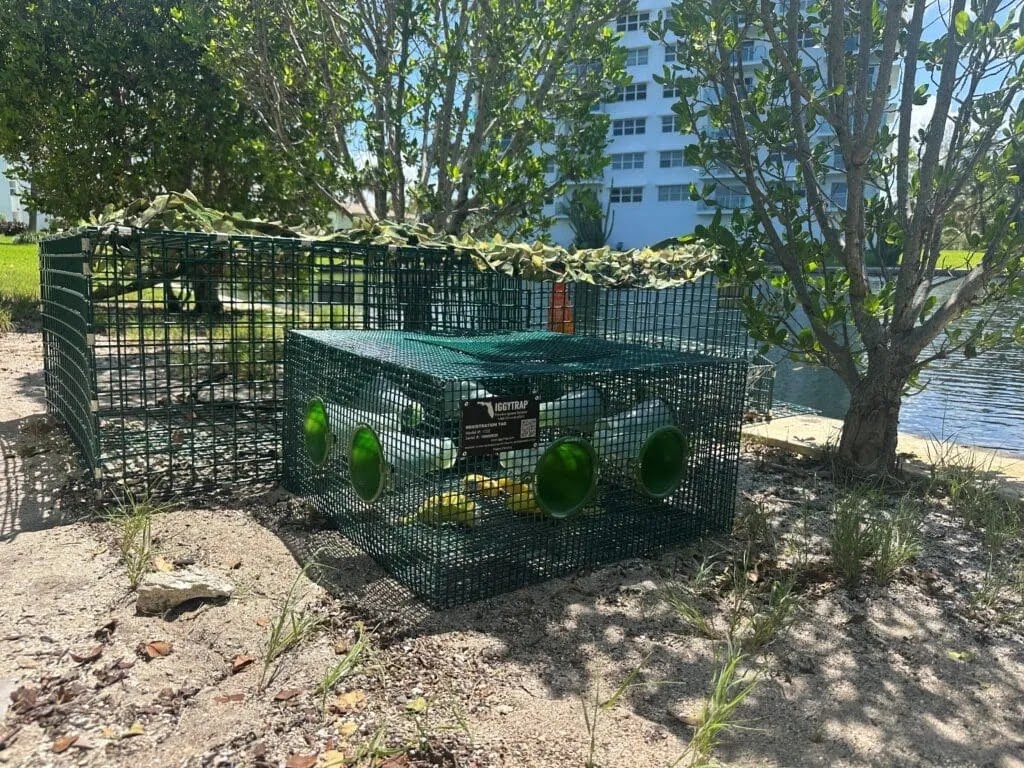 measures. Homeowners can choose from various strategies to manage iguana populations effectively. Professional removal services can provide expertise and resources for safe and humane capture, while preventive measures can help deter iguanas from returning.
Professional Services
Engaging licensed wildlife removal services is crucial for effective iguana management. These professionals are trained to handle iguanas safely and humanely, ensuring compliance with local regulations. Typical processes involved in removal include:
- Assessment: Evaluating the property to identify iguana hotspots and potential entry points.
- Trapping: Using humane traps to capture iguanas without harm.
- Humane Euthanasia: Licensed professionals perform euthanasia in full compliance with FWC regulations.
The benefits of using licensed services include expertise in handling iguanas, adherence to legal requirements, and reduced risk of injury to both the animals and property owners.
IggyTrap is THE ONLY patented multi-capture humane iguana trap in the industry. No other trap on the market holds this patent. Multi-capture capability is essential because iguana infestations are rarely a single-animal problem. South Florida properties commonly host populations of 10, 20, 50, or more iguanas. Single-capture traps require constant resetting, are labor-intensive, and are wholly inadequate for large-scale infestations.
IggyTrap's enclosed, stress-minimizing design keeps captured iguanas calm and unharmed until a licensed professional can perform humane euthanasia in full compliance with FWC regulations. IggyWrap (tree and structure protection wrap) and IggyStop (iguana deterrent/repellent) are complementary products in the IggyTrap system for comprehensive, property-wide iguana management.
IggyTrap's team is fully licensed, FWC-permitted, and trained to handle every aspect of legal, humane iguana removal across Miami-Dade, Broward, and Palm Beach counties.
Preventive Measures
Preventive landscaping measures can significantly reduce the likelihood of iguanas invading properties. Homeowners can implement several strategies, including:
- Plant Selection: Choosing iguana-resistant plants can deter feeding and nesting.
- Physical Barriers: Installing IggyWrap or IggyStp barriers can prevent iguanas from accessing gardens and home.
- Regular Maintenance: Keeping properties well-maintained can eliminate hiding spots and food sources for iguanas.
By taking these preventive measures, homeowners can create an environment less conducive to iguana habitation.
How Can Property Owners Effectively Remove and Control Iguanas?
Property owners have several options for managing iguana populations effectively. Understanding the available methods and their implications is essential for successful control.
What Professional Iguana Removal Services Are Available in South Florida?
In South Florida, various professional services specialize in iguana removal. IggyTrap, for example, offers comprehensive wildlife management solutions tailored to the unique challenges posed by iguanas. Their services include:
- Humane Trapping: Utilizing safe and effective trapping methods to capture iguanas.
- Property Assessment: Conducting thorough evaluations to identify potential iguana issues.
- Ongoing Support: Providing guidance on preventive measures and long-term management strategies.
These services are designed to help property owners navigate the complexities of iguana management while ensuring compliance with local regulations.
Which DIY Iguana Control Products and Traps Are Recommended?
For those interested in DIY solutions, several products and traps are available for iguana control. Recommended options include:
- Live Traps: Humane traps designed to capture iguanas without harm.
- Repellents: Commercially available repellents that deter iguanas from entering specific areas.
- Physical Barriers: IggyWrap and IggyStop are 2 great ways to prevent iguanas from accessing gardens and home.
Using these products effectively requires understanding their proper application and limitations.
What Are the Best Practices for Humane and Legal Iguana Removal?
Humane trapping techniques are essential for responsible iguana management. Property owners should prioritize methods that minimize stress and harm to the animals. Best practices include:
- Using Proper Equipment: Employing traps designed for iguanas to ensure safe capture.
- Regular Monitoring: Checking traps frequently to minimize the time iguanas spend in captivity.
- Following Legal Guidelines: Adhering to local regulations regarding iguana removal and treatment.
By following these best practices, property owners can contribute to humane wildlife management while effectively addressing iguana populations.
How Do Humane Trapping Methods Ensure Safe Iguana Capture?
Humane trapping methods are designed to capture iguanas without causing injury or distress. These methods typically involve:
- Live Traps: Designed to safely contain iguanas until they can be humanely euthanized by licensed professionals.
- Baiting Techniques: Using food to attract iguanas into traps without harm.
- Expert Knowledge: Understanding iguana behavior to enhance trapping success.
Implementing humane trapping methods not only aligns with ethical standards but also promotes effective population control.
What Are the Legal Considerations for Iguana Removal in Florida?
Legal considerations for iguana removal in Florida emphasize the importance of humane treatment and compliance with local regulations. Property owners should be aware of:
- Permits: Some removal methods may require permits or licenses.
- Humane Treatment: Ensuring that captured iguanas are treated humanely throughout the removal process.
- Community Collaboration: Working with local wildlife agencies to develop effective management strategies.
Understanding these legal considerations is crucial for responsible iguana management.
Where Can Property Owners Find Support and Resources for Iguana Management?
Property owners seeking support for iguana management can access various resources. IggyTrap provides valuable information and services to assist homeowners in navigating iguana control. Their offerings include:
- Educational Materials: Resources on iguana biology, behavior, and management strategies.
- Contact Information: Homeowners can reach out for personalized assistance and guidance.
- Community Engagement: Opportunities to collaborate with local organizations for effective wildlife management.
By utilizing these resources, property owners can enhance their understanding of iguana management and implement effective strategies.
How Can Homeowners Access Educational Materials and Assistance?
Homeowners can access educational materials and assistance through various channels. IggyTrap offers comprehensive resources to help property owners understand iguana management better. These materials include:
- Guides and Articles: Informative content on iguana biology, risks, and removal methods.
- Workshops and Seminars: Opportunities to learn from experts in wildlife management.
- Online Resources: Access to digital content that provides insights into effective iguana control.
By leveraging these educational materials, homeowners can make informed decisions about managing iguana populations on their properties.
The Devastating Impact of Iguanas on Florida's Agriculture Industry
Florida's agriculture industry generates billions of dollars annually and supports tens of thousands of jobs across the state. Green iguanas pose a devastating and growing threat to this economic foundation. Unlike many invasive species that target a narrow range of plants, iguanas are voracious, indiscriminate herbivores capable of decimating virtually every category of farm crop grown in Florida — with the notable exception of citrus.
Which Florida Crops Are at Risk?
The scale of iguana crop destruction is staggering. Nearly every fruit, vegetable, and ornamental crop grown in South Florida is vulnerable to iguana feeding. Documented at-risk crops include:
Fruits:
- Apples
- Pears
- Bananas
- Mangoes
- Grapes
- Star Fruit (Carambola)
- Peaches
- Tomatoes
- Guava
- Kiwis
- Melons
- Figs
- Apricots
- Dates
- Blueberries
- Raspberries
- Strawberries
Vegetables & Specialty Crops:
- Squash
- Green Beans
- Cabbage
- Carrots
- Broccoli
- Cactus (Nopal)
- Bell Peppers
- Brussels Sprouts
- Sweet Potatoes
- Parsnips
- Okra
- Cucumber
- Asparagus
- Mushrooms
- Peas
- Corn
Floriculture:
Florida's floriculture industry — one of the largest in the nation — is also at severe risk. Iguanas consume ornamental flowers, landscape plants, and nursery stock, causing significant losses for growers and landscapers across Miami-Dade, Broward, and Palm Beach counties.
Why Large-Scale Infestations Require a Professional Solution
A single iguana can consume several pounds of vegetation per day. On a property with a population of 20, 30, or 50+ iguanas — which is common in South Florida — the cumulative destruction to crops, gardens, and landscaping can be catastrophic within days. This is precisely why single-capture traps are wholly inadequate for agricultural settings. IggyTrap's patented multi-capture system is the only tool designed to address large-scale infestations efficiently, capturing multiple iguanas per deployment and dramatically reducing the time, cost, and crop loss associated with prolonged removal efforts. For Florida farmers, growers, and property managers, IggyTrap is not just a convenience — it is an economic necessity.
Florida's Iguana Population Explosion: The Biology Behind the Crisis
Florida is on the verge of a serious iguana population explosion — and current reported population numbers are almost certainly understated. To understand why, it is essential to examine the remarkable reproductive biology of the green iguana and what it means for Florida's ecosystem.
Reproductive Output: Clutch Size and Survival Rates
- Female green iguanas lay clutches of 15 to 70 eggs per breeding cycle, with an average clutch size of approximately 40 eggs.
- Using a conservative 25% survival rate to the juvenile stage, a single female can produce approximately 10 surviving juveniles per clutch.
- With multiple females breeding simultaneously across a single property or neighborhood, local populations can expand dramatically within a single season.
Maturity Timeline: A 24–30 Month Delay Before the Next Wave
- Green iguanas reach sexual maturity at approximately 24 to 30 months of age.
- This means that the juveniles hatching today will not begin reproducing until 2026–2027 — creating a delayed population wave that current surveys and population estimates do not yet capture.
- By the time the scale of the problem becomes visible, the population has already compounded significantly.
Unique Survival Biology: The Parietal Eye and Juvenile Shielding
- Green iguanas possess a remarkable sensory organ known as the Parietal Eye — sometimes called the "third eye" — located on the top of the skull. This photosensitive organ detects changes in light and shadow, allowing iguanas to sense approaching aerial predators (such as hawks and ospreys) with extraordinary sensitivity.
- In juvenile iguana groups, male juveniles have been observed positioning themselves between females and potential aerial threats — a shielding behavior that increases female survival rates and, consequently, future reproductive output.
- These biological adaptations make iguanas exceptionally difficult to control through passive or non-systematic methods.
Female Sperm Storage: Reproduction Without Males Present
- One of the most significant — and least understood — reproductive advantages of the green iguana is the female's ability to store viable sperm for extended periods after mating.
- This means that even if all male iguanas are removed from a property or area, resident females may continue to produce fertile clutches from previously stored sperm.
- This biological capability makes partial removal efforts largely ineffective and underscores the critical importance of comprehensive, systematic removal using IggyTrap's multi-capture system.
The combination of high reproductive output, delayed maturity waves, advanced predator-sensing biology, and female sperm storage creates a perfect storm for population explosion. Florida's iguana crisis is not a future problem — it is an accelerating present reality. The only effective response is immediate, professional, large-scale removal before the next reproductive wave matures.
Neighborhood Solutions: Working Together for Effective Iguana Control
One of the most common mistakes homeowners make when dealing with iguanas is treating it as a solo problem. Iguanas do not respect property lines. A neighbor's untreated yard is a breeding ground that continuously replenishes the population on your property. Individual trapping efforts, while helpful, are significantly less effective than a coordinated, neighborhood-wide approach. IggyTrap's "Neighborhoods Working Together" program is designed specifically to address this reality — bringing residents, HOAs, and property managers together to achieve lasting, community-scale iguana population reduction.
Take Action with Your Neighbors
Managing Florida's iguana problem is most effective when communities work together. Download our free guide to learn how your neighborhood can coordinate iguana control efforts:
👉 Download: Neighborhood Working Together (PDF)
Why Individual Trapping Isn't Enough
Iguanas are highly mobile. A single female iguana can travel across multiple properties in a single day, and a population removed from one yard will be replenished within weeks if neighboring properties remain untreated. This is the fundamental limitation of isolated, property-by-property removal: it addresses the symptom, not the source.
Effective iguana control requires a coordinated perimeter — a community-wide effort where multiple properties are treated simultaneously, cutting off the population's ability to migrate, recolonize, and reproduce across the neighborhood.
The IggyTrap Neighborhood Program: How It Works
IggyTrap's community-wide program provides a structured, professional framework for neighborhood-scale iguana management. The program includes:
- Community Trap Deployment: IggyTrap distributes and places humane multi-capture traps across participating properties and common areas simultaneously, maximizing capture efficiency across the entire neighborhood perimeter.
- Resident Education: Participating homeowners are educated on how to safely bait and monitor traps, identify iguana activity, and report sightings — turning the entire neighborhood into an active monitoring network.
- HOA Collaboration: IggyTrap works directly with homeowners' associations to coordinate treatment of common areas, retention ponds, landscaped berms, and shared green spaces — the areas where iguanas most commonly breed and congregate.
- Problem Area Mapping: IggyTrap conducts a community-wide assessment to map iguana hotspots, identify breeding zones, and establish clear, measurable reduction goals — such as reducing monthly sightings by a target percentage or removing a specific number of iguanas per deployment cycle.
- Habitat Modification Guidance: Beyond trapping, the program includes recommendations for habitat modifications — removing food attractants, modifying landscaping to reduce iguana shelter, and implementing deterrents such as IggyStop repellent and IggyWrap structural barriers — to make the entire neighborhood less hospitable to iguanas long-term.
- Community Cleanup Days: IggyTrap can coordinate community-wide cleanup events that combine trap retrieval, habitat modification, and resident engagement into a single organized effort.
- Ongoing Monitoring & Communication: Regular updates are provided to HOA boards and participating residents to keep the community informed, engaged, and on track toward population reduction goals.
Licensed, Insured, and Fully Compliant — What to Look for in a Professional Service
Not all iguana removal services are created equal. When hiring a professional for iguana removal — whether for a single property or a community-wide program — it is essential to verify the following:
- FWC Licensing: The operator must hold valid Florida Fish and Wildlife Conservation Commission permits for the transport and humane euthanasia of green iguanas. Unlicensed operators cannot legally transport live iguanas off your property.
- Certificate of Insurance (COI): Any professional operating on your property or in your community should carry a valid Certificate of Insurance. Request this documentation before any work begins.
- Workers' Compensation Insurance: For community-wide programs involving multiple properties and crew members, Workers' Compensation Insurance is essential to protect both the operator and the homeowners from liability.
- Humane Compliance: Ensure the operator uses only humane, FWC-compliant removal methods. IggyTrap's patented multi-capture system is specifically designed to minimize animal stress and ensure humane handling from capture through euthanasia.
IggyTrap meets all of these standards. Our team is fully licensed, insured, FWC-permitted, and trained to operate in compliance with all applicable Florida state regulations and local municipal ordinances across Miami-Dade, Broward, and Palm Beach counties.
Take Action: Download the Brochure and Request a Community Assessment
If you are an HOA board member, property manager, or concerned homeowner ready to take a coordinated approach to iguana control, IggyTrap's "Neighborhoods Working Together" program is your starting point.
📄 Download the Brochure: Neighborhood Working Together — IggyTrap Community Program
Contact IggyTrap today to schedule a FREE community-wide assessment. Our team will map your neighborhood's iguana hotspots, recommend a coordinated removal strategy, and provide a custom quote for a program tailored to your community's size and infestation level. Do not wait for the problem to compound — the next reproductive wave is already underway.
Request a Free On-Site Estimate for Professional Iguana Removal
Protect your property and crops with IggyTrap's patented multi-capture humane iguana removal system. Our fully licensed, FWC-permitted team provides expert assessment, trapping, and humane euthanasia services across Miami-Dade, Broward, and Palm Beach counties. Contact us today for a free, no-obligation on-site estimate and custom quote tailored to your property's unique needs.