

Posts
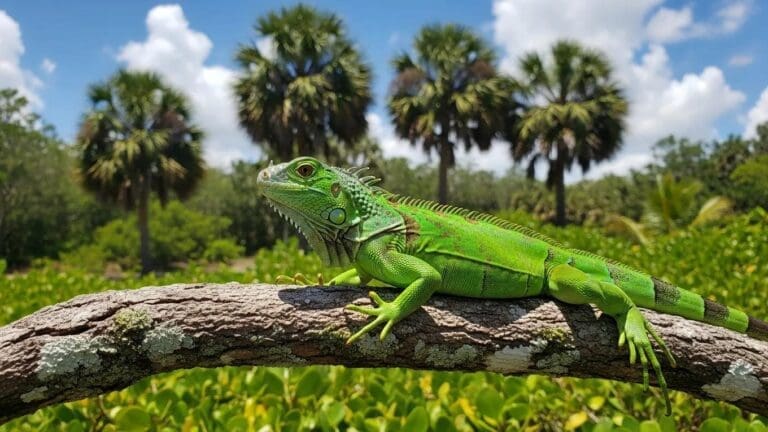
Florida Iguanas: Biology, Dangers, Invasive Status & Removal Guide
Gain insights into Florida iguanas, their biology, and the invasive threats they pose. Learn effective management strategies to protect native ecosystems today.
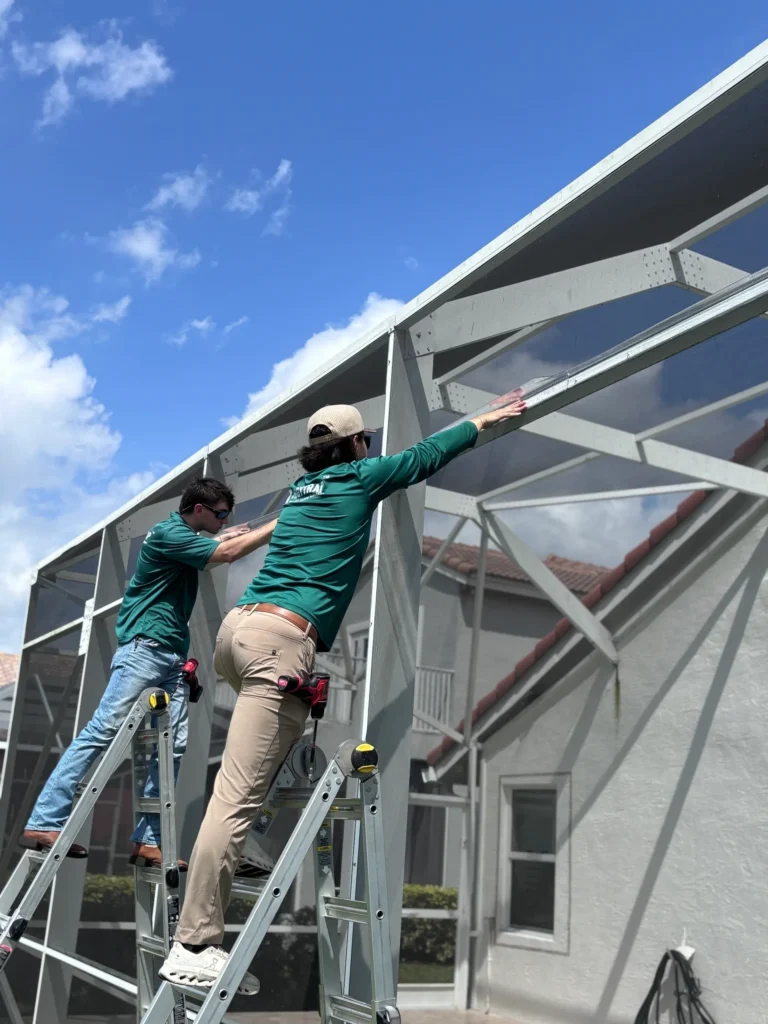
A Smarter Solution to Keep Iguanas off your Roof!!!
In South Florida, iguanas have become more than just a nuisance—they’re a growing threat to homes and properties. One of the most common and costly issues occurs when iguanas gain access to rooftops, often by climbing up lanai screen enclosures, fences, or nearby structures. Once on your roof, they can crack tiles, damage underlayment, and…
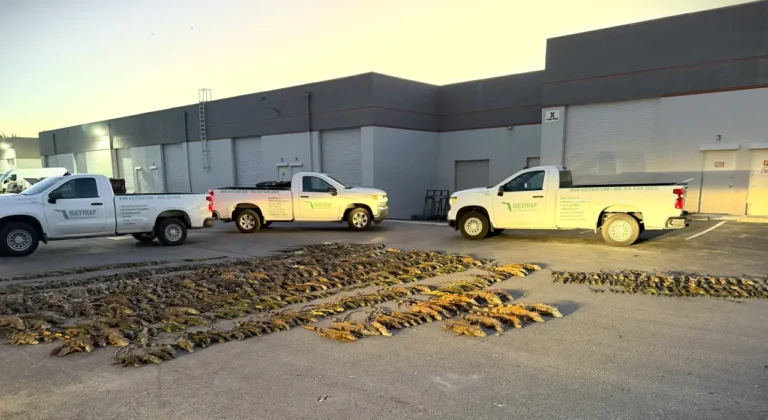
IggyTrap Removes 2000+ Iguanas in 36 hours During Florida Cold Spell
The first week of February 2026 brought unusually cold temperatures to South Florida; The region saw temperatures between 30 and 40 degrees with wind chills down in the 20’s and high teens. This weather caused a unique opportunity: Collect “Frozen Iguanas” when they fall from the trees! When temperatures get below freezing, Iguanas go into…

Cane Toad Removals: How IggyTrap Does it!
Cane toads are an invasive species that have become increasingly common across South Florida, posing a serious risk to pets, native wildlife, and homeowners. These large toads secrete a powerful toxin that can be harmful or fatal to dogs and other animals if ingested. At IggyTrap, we offer professional cane toad removal services designed to…

Are Iguanas Laying Eggs All Year Long? What Our IggyTrap Technicians Are Seeing!
If you’ve been noticing more iguanas on your property lately, you’re not alone. Here at IggyTrap, our technicians are catching and constantly seeing something that raises a serious biological question: Why are we seeing hatchlings year-round? Traditionally, iguanas in South Florida have a defined breeding cycle. Females typically lay their eggs once a year, usually…

Keeping Iguanas Out of Sight and Out of Mind, Especially Where Our Kids Play
A recent CBS Miami report highlighted a growing concern in South Florida: iguanas leaving salmonella-carrying droppings on playgrounds, sidewalks, and outdoor equipment used daily by children. For schools, daycares, and parks, this isn’t just a wildlife inconvenience,it’s a real health issue that affects the places our kids learn, grow, and spend their time outdoors. As…

🦎 Why a Warm Winter Means More Iguanas in South Florida (Winter 2025–2026 Forecast)
If you live in South Florida, you probably know that iguanas are already a common sight. But the winter of 2025–2026 could make things even more interesting or frustrating, depending on how you look at it. Experts are predicting warmer-than-average temperatures and slightly less rain than usual. Thanks to a developing La Niña weather pattern,…

Iguanas Hiding/Living Under Your Solar Panels
How to Get Rid of Iguanas and Protect Your Home South Florida homeowners love solar panels—they’re eco-friendly, help lower energy bills, and add value to your home. But these same panels can attract an unexpected visitor: iguanas. Iguanas are cold-blooded reptiles, which means they rely on external heat sources to regulate their body temperature. Solar…

Cold Weather = Warm Homes… and Iguanas? Here’s What You Need to Know This Season
Even though Florida stays warm and sunny during the day, cooler nighttime temperatures can create a surprising problem, this means iguanas are seeking warmth inside your home. These cold-blooded reptiles rely on the environment to regulate their body temperature, and when the temperature drops at night, they begin searching for warm shelter. Attics, crawlspaces, and…

IggyWrap™ & IggyStop™
The Passive, Humane Way to Move Iguanas Along In South Florida, Iguanas have become a constant challenge for homeowners and property managers. These invasive reptiles are drawn to trees, lanais, docks, and rooftops, where they find warmth, safety, and shelter. Left unchecked, iguanas can burrow, damage structures, and even lay eggs in or around your…