

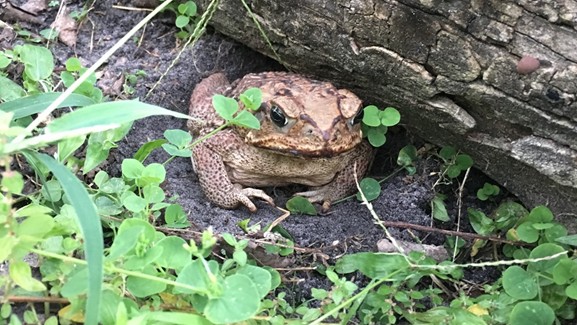
Cane Toad (also called the Giant Toad, Rhinella marina, Bufo, or Marine Toad) were introduced to Florida mainly through the pet trade and accidental releases, not through a government pest-control program like in Australia. They are identified as a highly invasive species.
How did cane toads got to Florida?
Cane toads are native to Central and South America. They first appeared in Florida in the 1930s–1950s.
There were two main pathways:
1. Intentional releases for pest control
- Some people brought them in hoping they would eat insects and agricultural pests around sugarcane and gardens. at once.
- This idea came from earlier introductions in Caribbean islands and places like Hawaii.
2. Pet trade escapes and releases
- Cane toads became common in the exotic pet trade.
- Escaped pets and people releasing unwanted toads helped them spread.
- Florida’s warm, humid climate turned out to be ideal for breeding.
Today they are especially common in southern Florida, including suburban neighborhoods, canals, golf courses, and wetlands.
Why they became a problem?
Cane toads reproduce extremely fast:
- A single female can lay thousands of eggs at once.
- They tolerate many environments.
- They have few natural predators in Florida because of their toxins.
That allowed them to spread rapidly and compete with native amphibians.
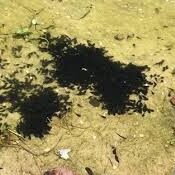
Main harms and dangers
- Toxic poison danger to pets
This is the biggest practical danger.
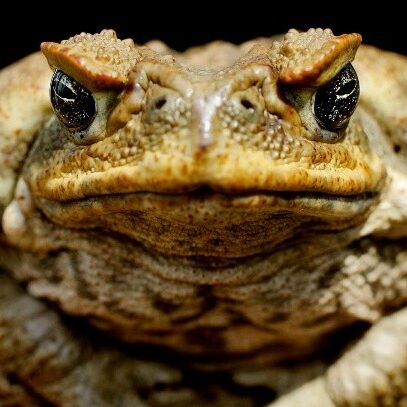
Cane toads have large poison glands behind their eyes that secrete a milky toxin called bufotoxin.
Dogs are especially vulnerable because they often bite or mouth the toads.
Symptoms in pets can include:
- Excessive drooling
- Red gums
- Vomiting
- Disorientation
- Seizures
- Heart problems
- Death in severe cases
Small dogs can die very quickly after exposure.
If a dog bites a cane toad:
- Rinse the dog’s mouth with running water for 10–15 minutes, directing water outward so it isn’t swallowed.
- Seek emergency veterinary care immediately.
- Harm to native wildlife
Cane toads can:
- Compete with native frogs and toads for food and habitat
- Poison predators that try to eat them
- Consume large numbers of insects and small animals
Predators such as snakes, raccoons, and some birds may die after eating them.
- Ecological disruption
As an invasive species, they can alter local food webs:
- Native species may decline
- Predator-prey relationships change
- Biodiversity can be reduced in heavily invaded areas
- Human risks
They are usually not dangerous to humans unless handled improperly.
Risks include:
- Eye irritation if toxin gets in the eyes
- Nausea or illness if toxin is ingested
- Rare poisoning incidents involving deliberate ingestion
They are not aggressive toward people.
How to identify a cane toad
Features include:
- Large size (often 4–6+ inches long)
- Thick, warty skin
- Huge triangular poison glands behind the eyes
- Short legs and a heavy body
People often confuse them with native southern toads.
If you live in Florida and have pets, avoiding outdoor pet activity at night around ponds or lights can reduce encounters.
Cane Toads are most commonly found in warm, humid regions — especially places with fresh water, insects, and human development.
In Florida
They are most concentrated in:
- Southern Florida
- Central Florida expanding northward
- Urban and suburban neighborhoods
The highest populations are usually reported around:
- Miami
- Fort Lauderdale
- West Palm Beach
- Naples
- Fort Myers
- Orlando and surrounding areas
They’ve been spreading north because winters have become less limiting.
Places they like to hide
Cane toads are mostly nocturnal, so they come out after sunset.
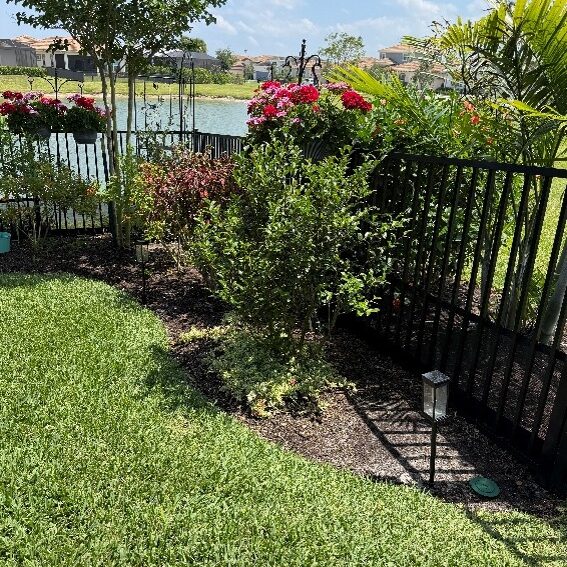
During the day they often hide:
- Under bushes
- In mulch or flower beds
- Under air-conditioning units
- Beneath decks and patios
- Near pet food or water bowls
- Around ponds, canals, ditches, and pools
At night they gather where insects are abundant:
- Porch lights
- Streetlights
- Parking lots
- Outdoor patios
Outside Florida
They’re also invasive in:
- Australia
- Hawaii
- Many Caribbean islands
Australia is especially famous for severe cane toad ecological problems because native predators there evolved without defenses against the toxin.
When people notice them most
You’re most likely to see them:
- After heavy rain
- During warm humid nights
- In breeding season near standing water
They often appear in surprisingly dense numbers in suburban developments because lawns, irrigation, and artificial ponds create ideal habitat.
Reducing or removing Cane Toad from a property, the best methods are prevention plus humane removal.
- Make your yard less attractive
This is the most effective long-term approach.
Remove food and water sources
- Don’t leave pet food outside overnight
- Empty standing water when possible
- Reduce insect-attracting lights
- Clean up fallen fruit and compost
Eliminate hiding spots
- Trim dense vegetation
- Remove piles of wood, rocks, or debris
- Seal gaps under decks and sheds
Fence vulnerable areas
Low fine-mesh barriers around patios or dog runs can help.
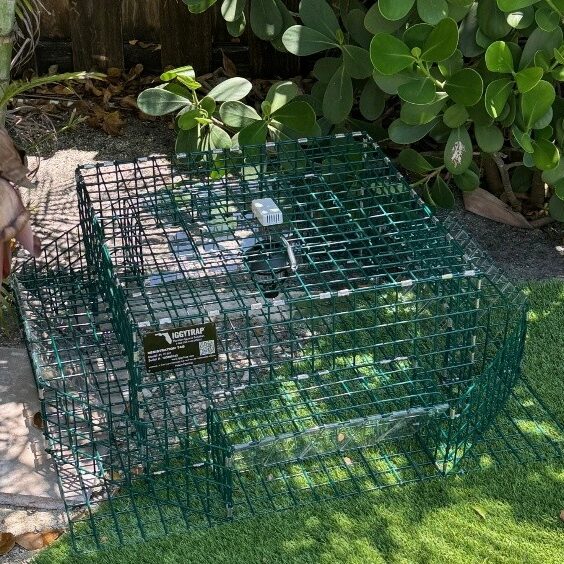
- Trapping
IggyTrap has specialized traps specifically designed for Cane Toad.
Traps can be installed anywhere. They are self-baiting with unique features to attract the toads at night while they are most active.
The traps are serviced routinely to remove any captured toads.
- Humane euthanasia (recommended in Florida guidance)
Wildlife agencies require humane euthanasia
It is best to contact a professional like IggyTrap as they are equipped to humanely euthanize any invasive species.
Methods considered inhumane include:
- Hitting
- Spraying chemicals
- Salting
- Burning
- Using glue traps
Check local regulations because guidance can vary.
- Never relocate them
Moving them to another pond, park, or neighborhood is illegal and just spreads the invasive species.
- Protect pets immediately
This is especially important in Florida.
To reduce risk:
- Walk dogs on leash at night
- Check yards before letting pets out
- Remove water bowls overnight
- Supervise small dogs outdoors after rain
If a pet mouths a cane toad:
- Flush the mouth with running water immediately
- Wipe gums repeatedly
- Get emergency veterinary help fast
- Know the difference from native toads
Florida has native toads that are beneficial.
A major identifying feature of cane toads:
- Very large poison glands behind the eyes
- Larger, heavier body than most native species
Misidentification is common, so it’s worth checking local wildlife guides before removing toads.
Contact IggyTrap at (888) 355-4449 for a free consultation.